What can one of the world’s coldest towns teach us about keeping buildings warm?
As temperatures begin to fall across the Northern Hemisphere, a small school high in the Indian Himalayas is about to put an unusual idea to the test.
Drass, Ladakh, is one of the world’s coldest inhabited places. At 3,300 metres, winters are long and severe; going as low as -40 degrees Celsius, and keeping classrooms warm is an everyday infrastructure challenge.
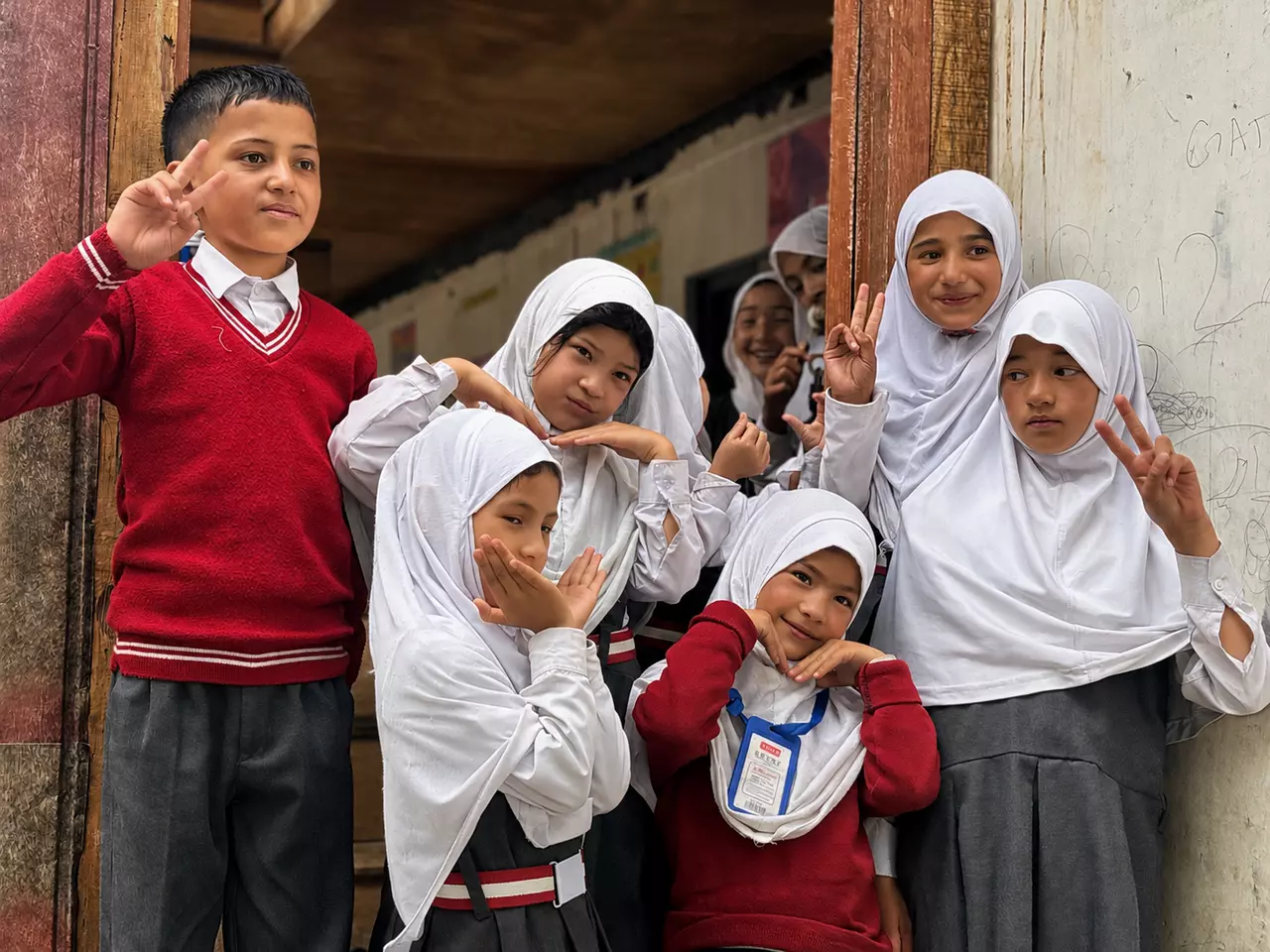
At Government Middle School Throngous, three classrooms have just been retrofitted using an unusual combination of materials: agricultural-residue panels, natural pastoral wool and felt made from hard-to-recycle post-consumer polyester textiles.
PNG
IMG_4677.PNG
(Children from Government Middle School Throngous smile for a photo inside their newly retrofitted classroom)
The idea is: before using more energy to heat a building, can we help the building hold on to the heat it already has?
The recycled textile component comes from The Good Felt, a circular materials venture built through Enviu’s Closing the Loop on Textile Waste programme in India. What started as a textile-waste challenge has therefore ended up inside the walls of a Himalayan classroom.
png
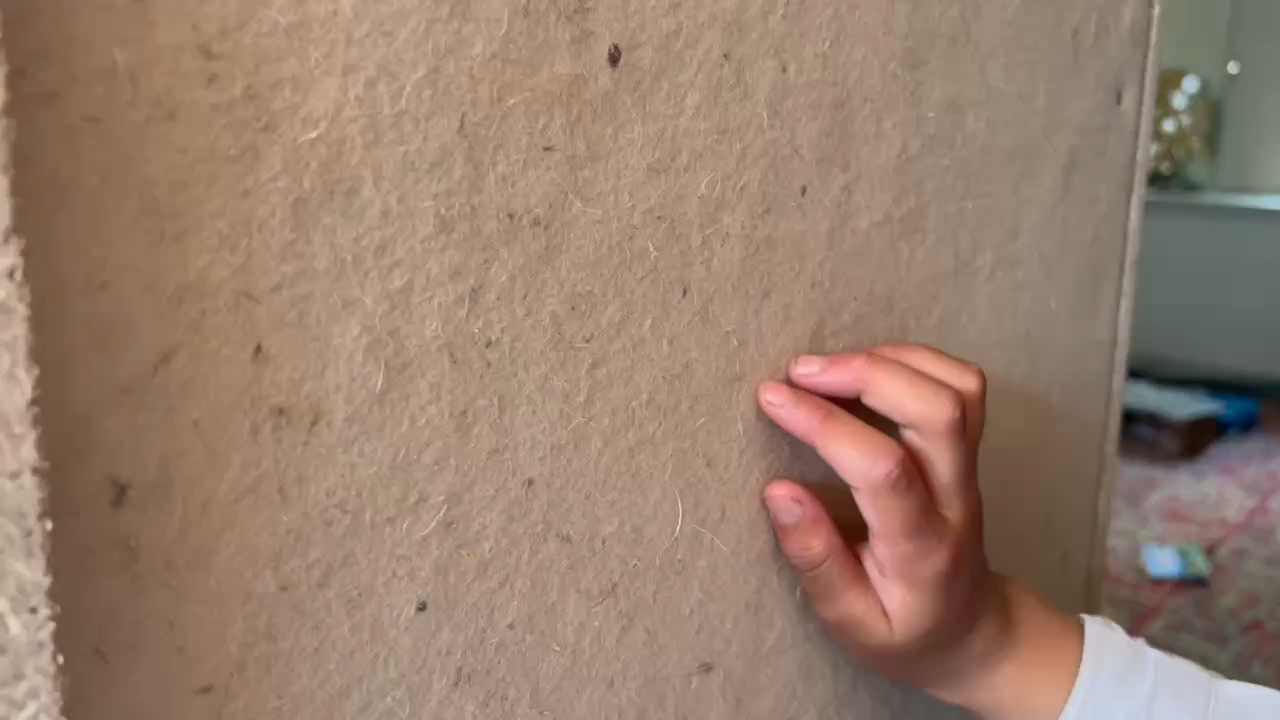
( A student at Government Middle School Throngas feels the felt lining installed as part of the classroom retrofit )
But the story is larger than a new insulation material.
This winter will be the project’s first real-world test. The partners will be looking at how the classrooms perform through extreme cold and what can be learned about thermal comfort, passive insulation and climate-resilient infrastructure.
It also raises a question with relevance far beyond Ladakh: as communities around the world face greater temperature extremes and rising energy costs, could some of the materials we currently treat as waste become part of the buildings we need for a changing climate?
There is a strong visual and human story here: children and teachers preparing for winter; one of the most extreme inhabited environments on earth; waste textiles finding a second life thousands of metres up in the Himalayas; and a community exploring whether climate resilience can also create local skills, livelihoods and new material value chains.
Click to watch the video below.
We can provide access to the project team, The Good Felt/Enviu, local collaborators and, subject to permissions, the school community, along with photography and material from Drass.
Would this be of interest for a climate, environment, innovation or solutions feature as winter approaches?
Please reach out to our PR & Communications Lead, Rachael at rachael@enviu.org.
Enviu and CAIF win the Collaborative Sustainability Initiative Award in India for Closing the Loop, revolutionising textile waste with scalable circular solutions.
India Hub by Denim Deal, GATS & Enviu accelerates circularity in denim with PCR cotton, certified standards & innovation for brands, mills & retailers.
End-of-life linens from hotel gets a second life as Ascott India teams up with Second Spin, driving circularity, ESG compliance, and circular hospitality solutions.
Discover The Good Felt: Enviu’s venture turning discarded textiles into sustainable felt products, driving circularity and supporting waste picker livelihoods.
Receive exclusive news
Are you a journalist or do you work for a publication? Sign up and request access to exclusive news.