
Indonesia has a sachets problem. Millions of small flexible packages containing instant noodles, laundry detergent, shampoo, and coffee are consumed every day. They're everywhere. Corner stores, supermarkets, wet markets. Affordable. Convenient. And creating a massive waste challenge.
But there's also real opportunity here. Indonesia has growing policy momentum on circular economy. Local innovators are already experimenting with reuse models. Major brands are looking for alternatives. These ingredients matter.
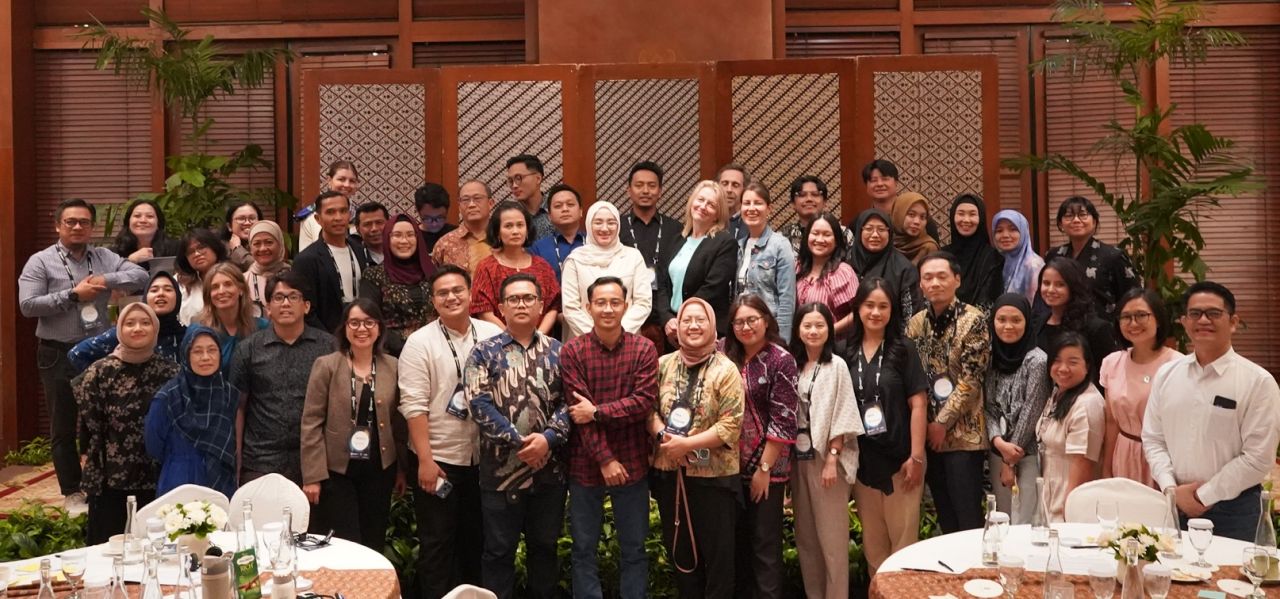
Alongside Plasticdiet Indonesia and the Ellen MacArthur Foundation, we convened a room full of people who rarely sit at the same table: brand representatives, government officials from Jakarta and national level, distributors, waste banks, reuse practitioners, and circular economy experts.
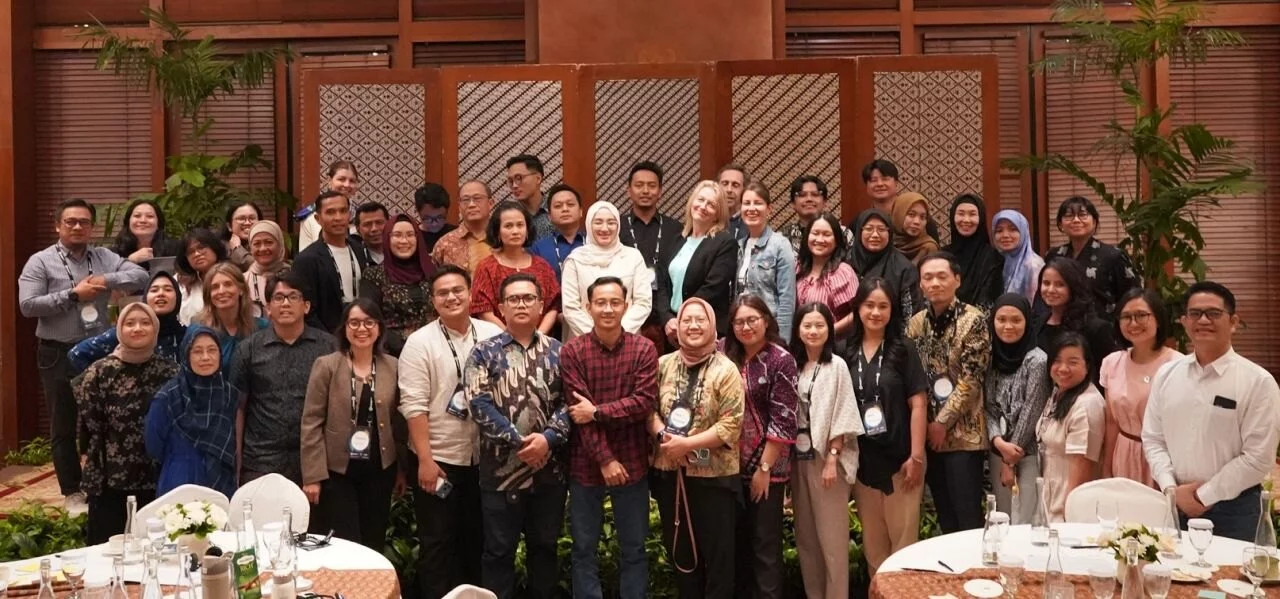
The goal was simple but ambitious. Not just to celebrate reuse systems that already exist. But to ask harder questions: What does it actually take to move reuse from small pilots to systems that can work at scale? What we heard was clear. Aligned. And actionable.
Everyone agreed on one fundamental point: reuse systems that scale need to use existing retail and distribution networks. Not create new ones.
What does this mean? Instead of single brands designing their own refill systems, the real opportunity is multi-brand, multi-category platforms that work through current wholesale networks, neighborhood stores, modern retail chains, and existing distribution hubs.
This approach solves a real problem. Operating costs go down. Capital requirements shrink. Implementation becomes feasible in emerging markets.
The message was direct: if reuse is going to compete with sachets on cost and convenience, it cannot require completely new supply chains.
Reuse will not win because it is environmentally better. It will win because consumers see value they can feel.
Convenience. Returning containers, finding refill points, managing reusables: this friction has to be lower than buying sachets. Otherwise people will stick with what they know.
The insight here matters: reuse is not primarily a logistics problem or a technology problem. It is a consumer behavior and product design problem.
The workshop made something clear: circular economy solutions at scale need businesses, government, retailers, waste operators, and reuse practitioners all working together.
In Indonesia, this means a few specific things. Align with regulatory priorities emerging from Jakarta and Yogyakarta. Build on the infrastructure waste banks have already created. Structure incentives so distributors and retailers see benefit in supporting refill models.
Government support matters. Partner engagement matters. Existing reuse operators need to be part of the solution, not displaced by it.
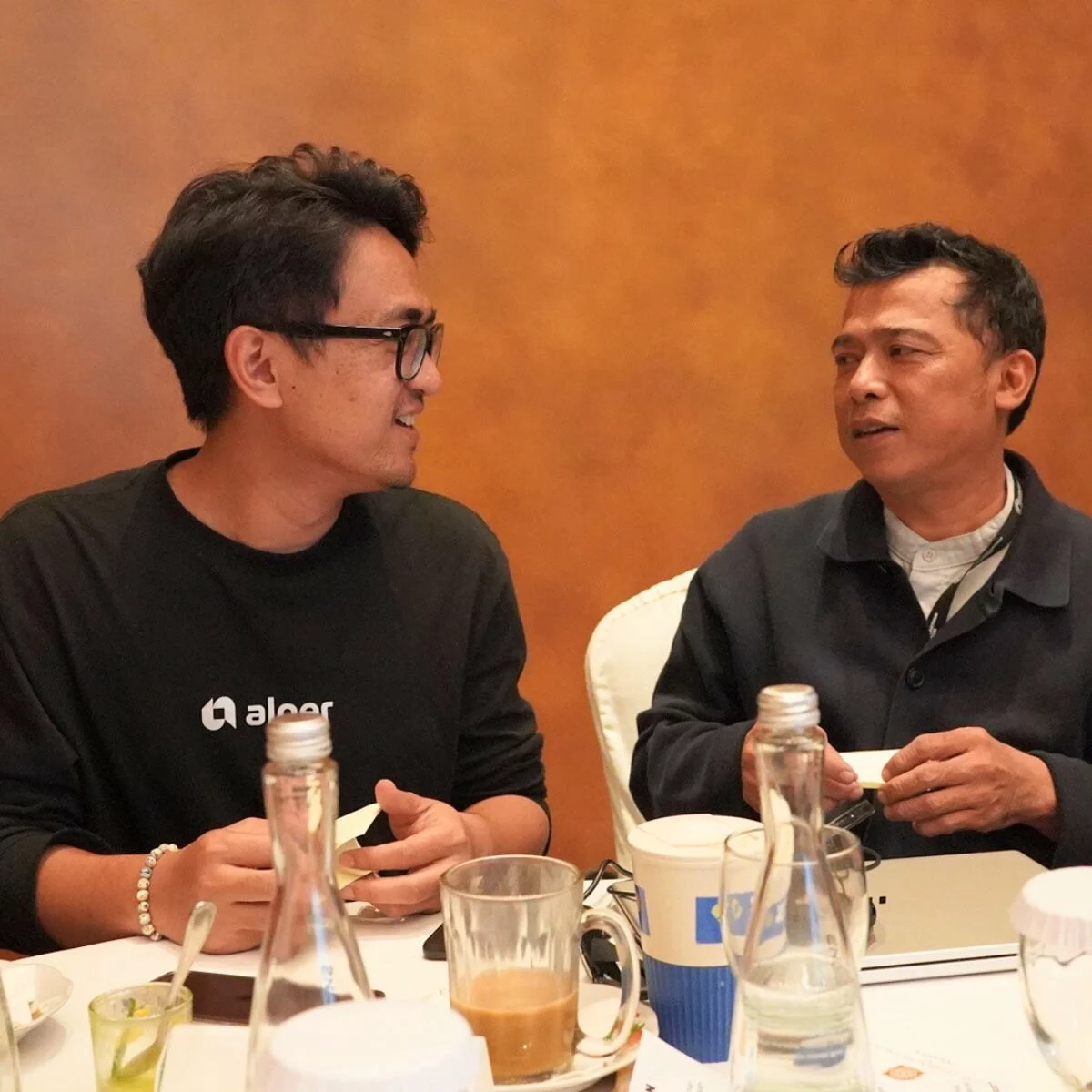
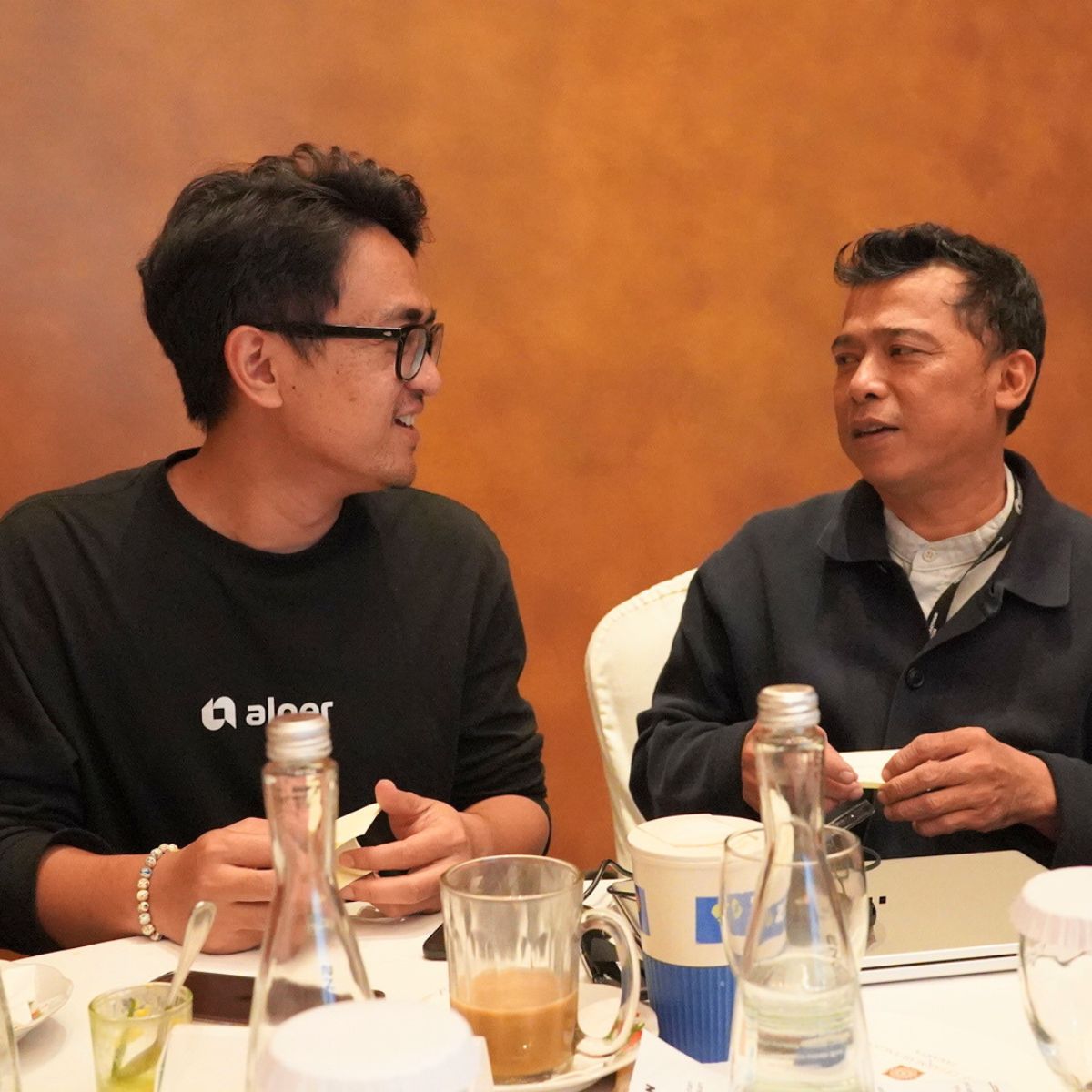
We are now using these insights to shape the next phase of work. This means testing business models with real partners. Exploring what implementation scenarios actually work on the ground.
The scale of the challenge in Indonesia is enormous. The volume of sachets consumed daily is staggering. But the opportunity is equally large.
Policy environments are shifting. Local entrepreneurs and waste practitioners are already experimenting with reuse. Brands increasingly see business case for circular systems. Indonesia is positioned to pioneer what scaled reuse actually looks like in a high-volume, diverse retail landscape.
This moment matters. The conversation that started in Jakarta is part of building systems that can work across Southeast Asia.