
Rockefeller Foundation and World Bank-Backed Solar Initiative Showcases Impact Through SokoFresh in Kenya
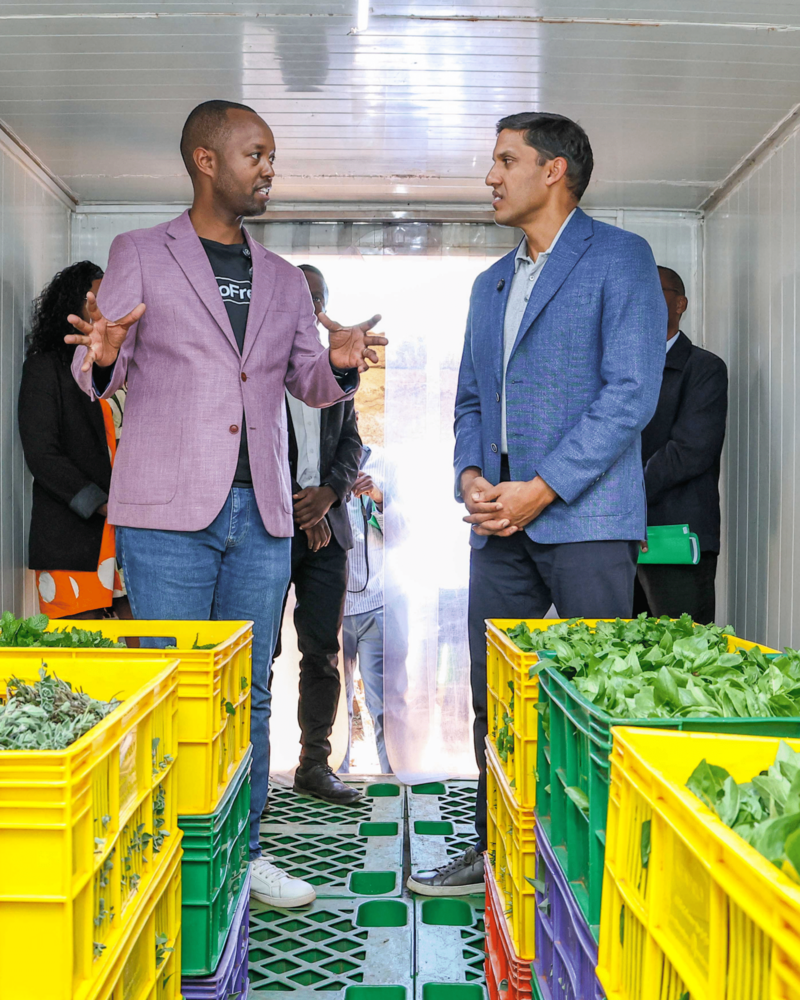
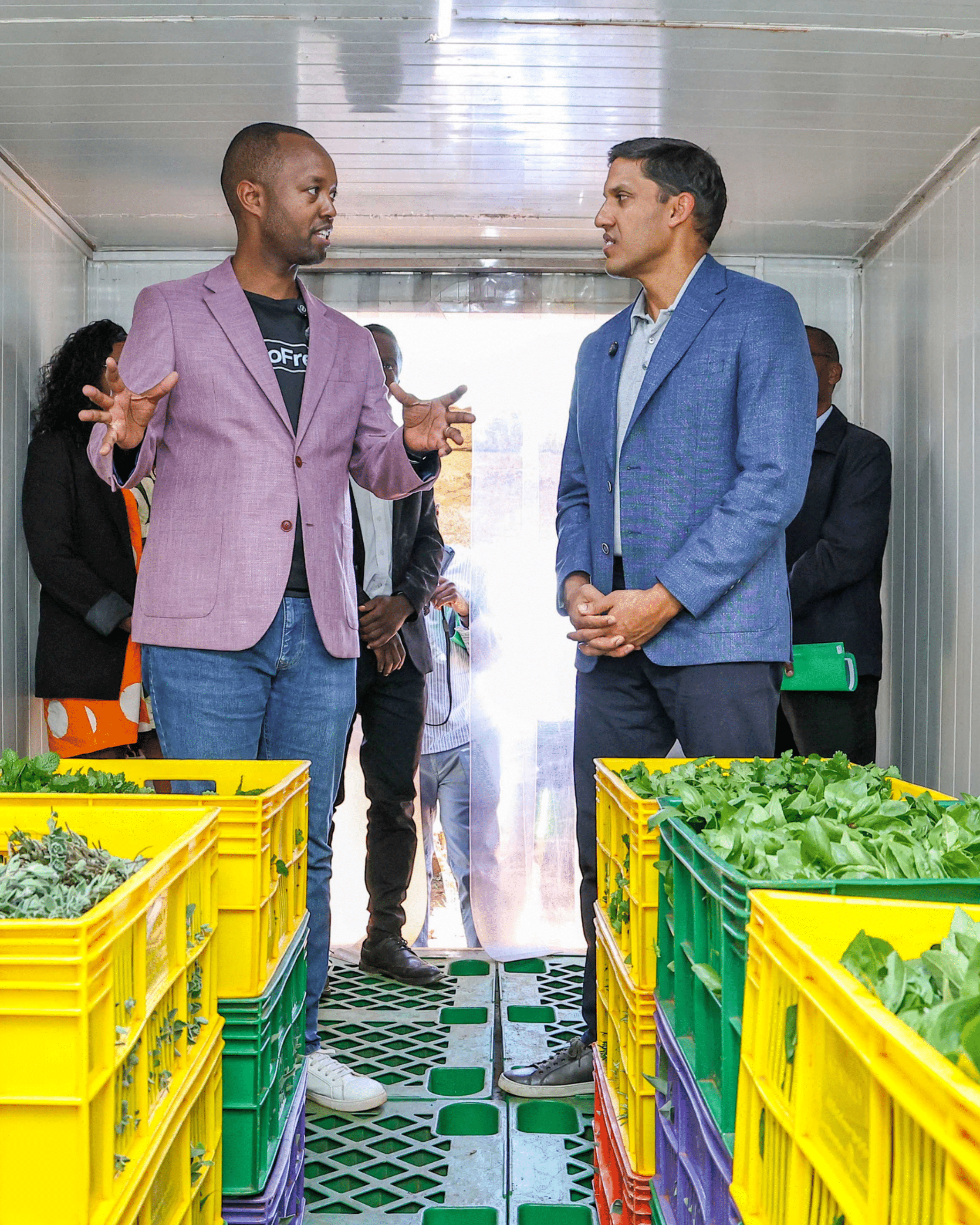
Enviu venture SokoFresh is demonstrating how expanded energy access can transform Africa’s agrifood sector, following a recent visit by Rajiv J. Shah, President of the Rockefeller Foundation, to Urban Valley Natural Herbs Farm in Dagoretti, Kenya.
The visit highlights the growing impact of the Mission 300 initiative, a World Bank- and African Development Bank-backed effort to expand electricity access across Africa. Through the Productive Use Financing Facility (PUFF), the initiative supports solar-powered technologies that strengthen agricultural value chains, reduce post-harvest losses, and increase farmer incomes.
At the farm, Shah witnessed firsthand how SokoFresh’s solar-powered cold storage solutions are enabling farmers to preserve fresh produce, access international markets, and unlock new economic opportunities.
Mission 300 is expanding energy access and helping businesses across Africa move from electrons to earnings. Seeing SokoFresh’s impact in action shows how energy access can power tools that support livelihoods, jobs, and economic security.Rajiv Shah, President, Rockefeller Foundation
SokoFresh’s solar cold rooms are transforming how farmers manage produce, reducing spoilage and eliminating the need for pre-dawn harvesting to beat post-harvest losses. Today, the venture serves thousands of farmers across Kenya and continues to expand its footprint across East Africa.
“Energy access is catalysing economic opportunities, higher incomes, and jobs for farmers across Kenya,” said Denis Karema, CEO of SokoFresh. “With solar-powered cold rooms deployed across 17 counties, we are scaling solutions that tackle post-harvest loss and strengthen food systems. We are now seeking strategic partners with blended capital to support the deployment of 100 additional solar-powered cold rooms by 2028.”
The broader solar initiative, supported by the Rockefeller Foundation and the World Bank, is rolling out solar-powered cold rooms, water pumps, refrigerators, and grain mills across multiple African countries, with the goal of boosting agricultural productivity and strengthening rural economies.