
What really happens to the single-use plastics we throw away every day, especially multilayer sachets?
For years, recycling has been framed as the solution. But the reality is uncomfortable: we cannot recycle our way out of the plastic crisis. At Enviu, we believe the real issue lies deeper, in how the system itself is designed.
To unpack this, we partnered with Greenpeace Indonesia for a special podcast episode titled “Krisis Plastik, Mengapa Produsen Tidak Pernah DISALAHKAN?” (Plastic Crisis: Why Are Producers Never Blamed?). The conversation shifts the focus from individual responsibility to systemic accountability and, more importantly, to real solutions.
In the episode, Darina, Enviu’s Program Lead, joins Ibar Akbar (Plastic Campaigner, Greenpeace Indonesia) and host Titi Akmar (Travelmom.id). Together, they bridge the gap between advocacy and action, drawing on insights from Enviu’s latest Impact Report to show that reuse is not only necessary, but viable.
One hard truth stood out in the discussion: of the millions of tons of waste generated in Indonesia, only around 7% of plastic is effectively recycled. The rest ends up in landfills, is burned, or leaks into the environment.
The issue is not just poor waste management. It is product design. Low-value packaging like sachets is simply not worth recycling. While producers benefit from cheap materials, the environmental and health costs are passed on to communities. The conclusion was clear: the system is broken, and it needs a redesign, not a better cleanup strategy.
Greenpeace focuses on advocacy and regulatory pressure. Enviu’s role is complementary. We build the solutions that make change possible.
Darina highlighted Alner, Enviu’s reuse venture, as a practical alternative to single-use packaging. Instead of asking consumers to radically change their behavior, Alner builds the infrastructure to make reuse easy. The system offers durable, returnable packaging for everyday products, from shampoo to snacks, designed to be cleaned and reused up to 50 times.
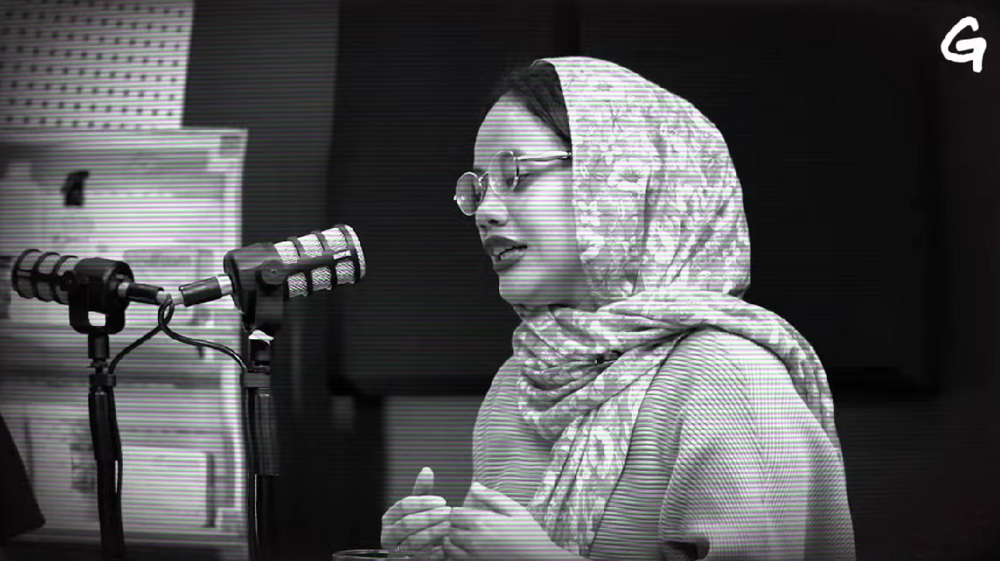
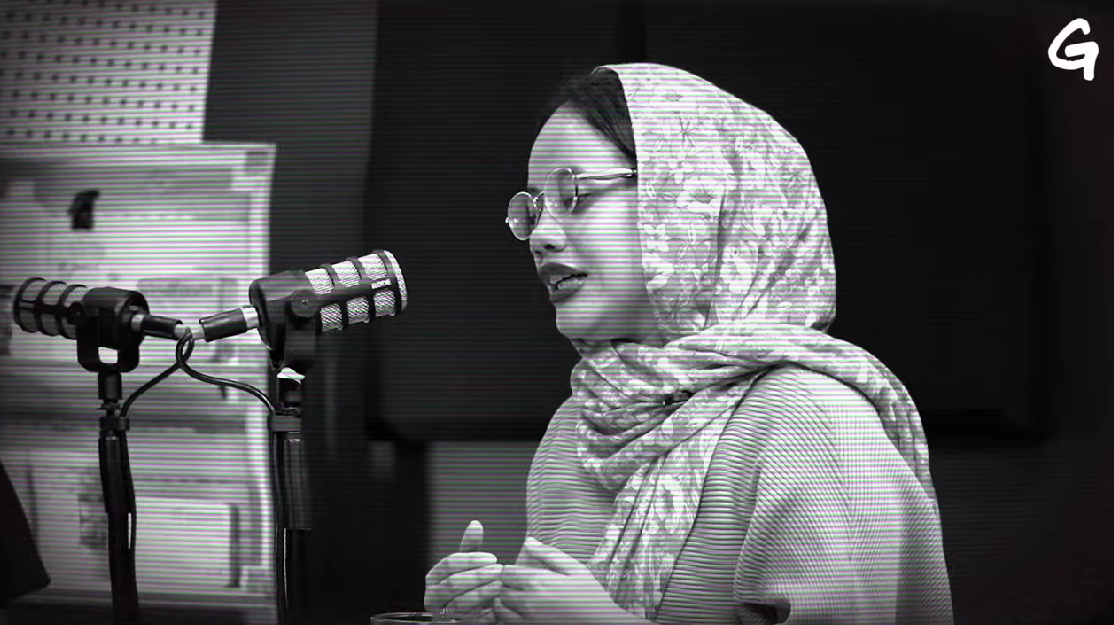
We design the system together with producers so the packaging can actually come back. Alner proves that a circular system for household goods is not just a concept. It is already happening.Darina, Enviu Indonesia
A key goal of the podcast was to move sustainability away from the idea of charity and toward commercial reality. For reuse to scale, it has to make business sense.
Using data from Enviu’s Impact Report, the conversation showed that circular models can deliver real economic value:
- Additional income: Community partners such as waste banks and warungs earn IDR 300,000 to 800,000 extra per month by participating in the reuse system.
- Commercial potential: After five years of ecosystem building, reuse models are showing clear signs of commercial viability. They offer producers a path to lower packaging costs while eliminating waste.
Beyond economics, the discussion addressed a common concern: logistics. Can reuse systems actually work at scale?
- Longer packaging life: Returnable packaging maintains quality for 20 to 50 use cycles, significantly reducing demand for virgin plastic.
- Growing adoption: With more than 2,000 community points across the Jabodetabek region and Bandung, the system shows that consumers will adopt reuse when it is convenient and accessible.
Greenpeace brought critical health data into the conversation. With microplastics now detected in human blood and vital organs, this crisis is no longer only environmental. It is a public health issue.
That reality reinforces why Enviu focuses on eliminating single-use plastics at the source, rather than managing their aftermath.
Our shared vision is a future where reuse is the default. It should be available in supermarkets, local warungs, and online platforms. We are working toward a shared infrastructure that industry players can plug into, making reuse efficient, inclusive, and truly mainstream.